What Is Cloud ERP—and How It Differs from On‑Premise for SMEs
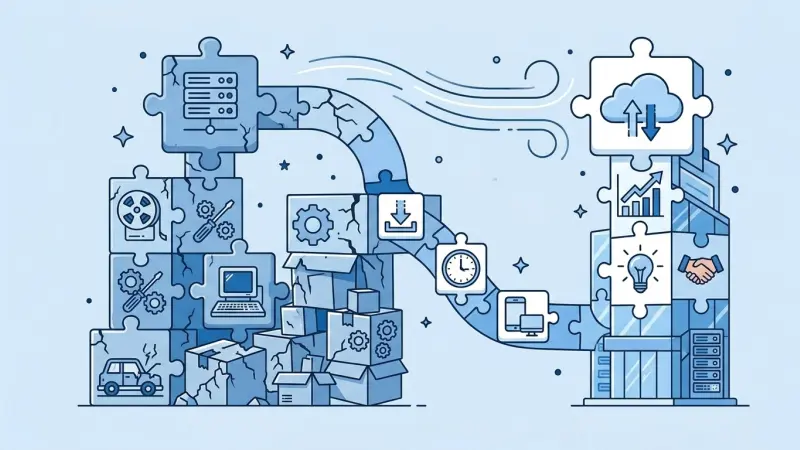
Quick answer: Cloud ERP is hosted by the vendor: backups, patches, and uptime practices are part of the service, accessed over the internet. On‑premise shifts those responsibilities to your IT team and infrastructure.
A practical SME lens on TCO, scale, and continuity—not ideology.
Cloud strengths
- Faster go-live: Less waiting on servers; focus on data model and roles.
- Lower routine ops: Centralized release cadence.
- Remote-friendly: Branches see the same live balances.
- Elastic growth: Add users/modules via subscription tiers.
When on‑premise still shows up
Air-gapped requirements, legacy data-center investments, or niche regulatory postures. For most SMEs, cloud wins on predictability and speed.
Security is a process, not a location
Cloud vendors productize access control, encryption, and backups. On‑prem gives you control—and the obligation to operate it well. The real question is where your threat model and operational load belong.
Integration and portability
Prefer vendors with APIs/exports so you are not locked in. “Getting your data back” belongs on the checklist.
Practical rollout
Start with product/inventory backbone; widen integrations in phase two. Workspace-scoped plans help as you add branches or brands.
Takeaway: Cloud ERP usually trades CapEx for predictable OpEx plus speed; clarify who owns operational toil before you sign.