What Is Proposal Software? A 2026 Guide for SMEs
Growing B2B teams lose margin and momentum when quotes live in scattered spreadsheets, outdated price lists, and email threads nobody can audit. A dedicated proposal software layer connects your product catalog, discounts, PDF output, and customer approval in one repeatable flow—so sales, finance, and operations work from the same numbers.
Short answer: Proposal software is a workspace tool that lets you build structured quotes from live catalog data, apply rules for discounts and taxes, send branded PDFs or online approval links, and track status until the deal is won or lost—without retyping line items for every revision.
What proposal software actually does
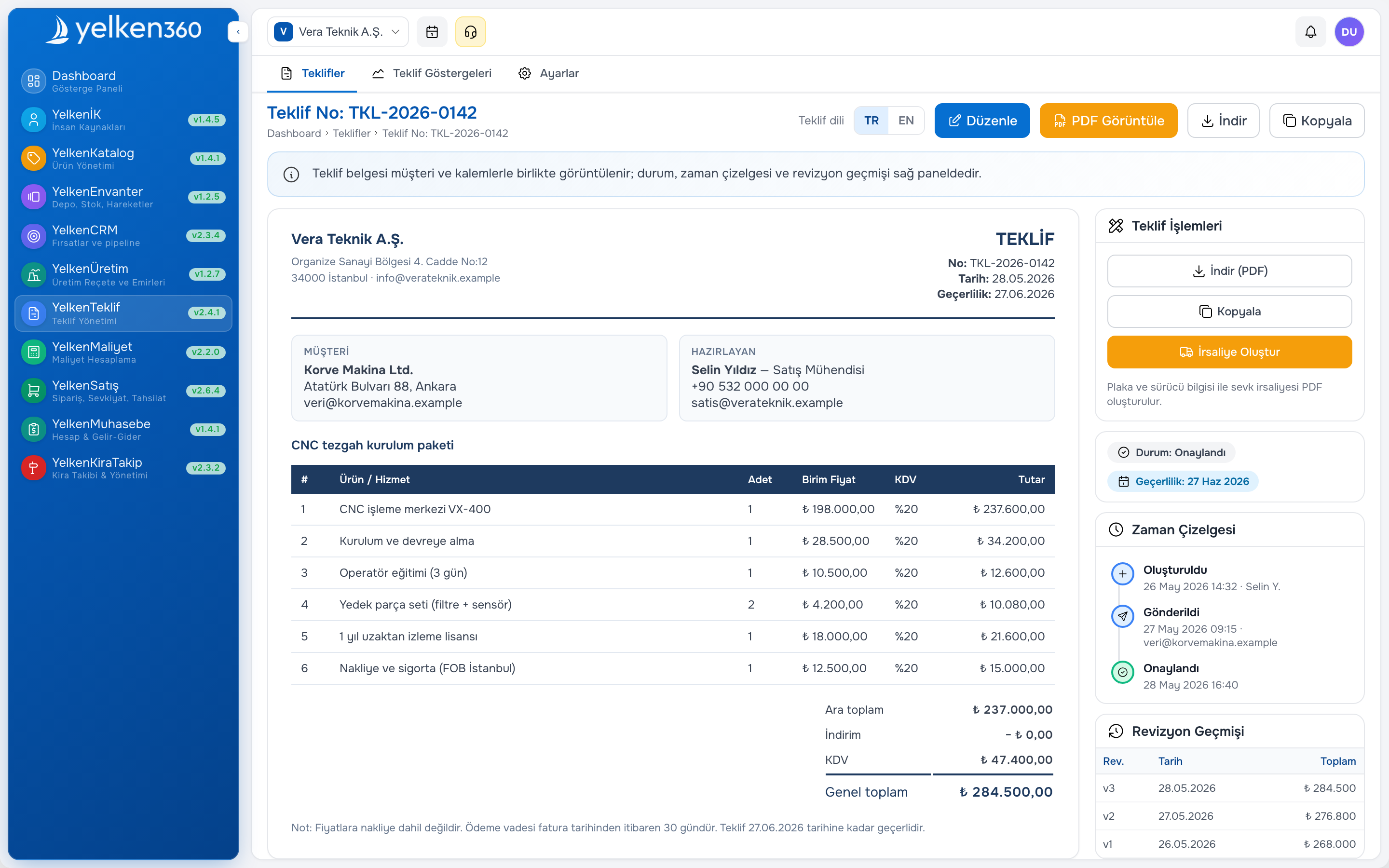
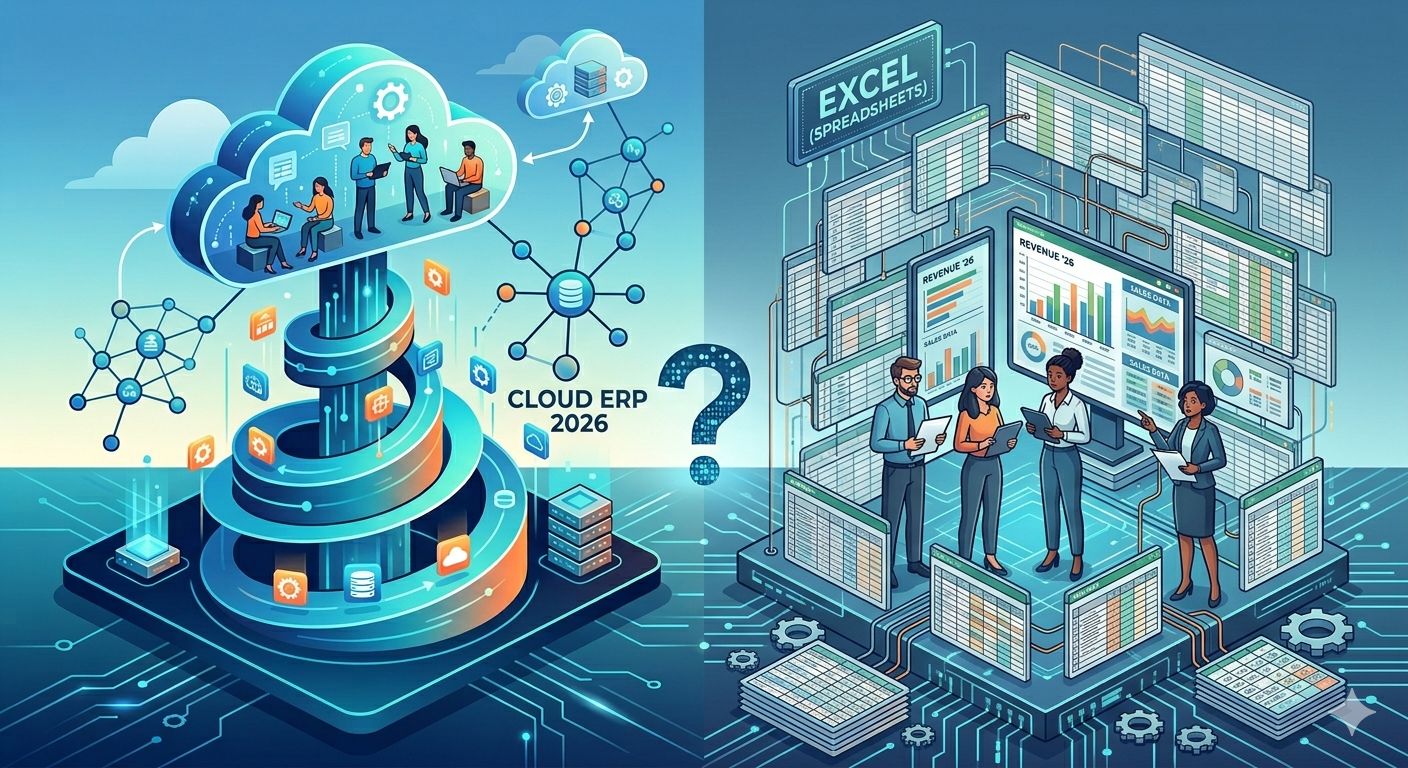
At minimum, a modern proposal tool replaces the “Excel plus Word plus email” stack. You pick products or services from a central catalog, set quantities and optional variants, apply customer-specific pricing or tiered discounts, and generate a document your buyer can sign off on. Stronger platforms also log revisions, show who opened the quote, and hand accepted lines to order or inventory modules without manual export.
For SMEs selling equipment, components, or project-based services, that single source of truth cuts errors on margin and delivery dates. When list prices change, the next quote reflects them automatically—something static templates never guarantee. If your catalog still lives in multiple files, see how product catalog software feeds quoting first.
Core capabilities to expect
- Line items linked to SKU, unit of measure, and list price
- Version history and duplicate-from-previous-quote for repeat buyers
- Branded PDF templates with terms, validity date, and payment notes
- Online view and accept or reject with timestamp for compliance
- Handoff to sales orders or projects when the customer approves
- Optional link to stock availability or lead time from inventory modules
How to choose proposal software in 2026
Selection should start from your sales motion, not feature checklists. Ask whether you quote mostly from stock, from BOM assemblies, or from time-and-materials bundles. Map how many people create quotes versus only approve them, and whether you need multi-currency display for export customers.
Also clarify governance: who may override price, who must approve discounts above a threshold, and how finance validates tax treatment. Tools that only beautify PDFs without rules will not fix margin leakage.
Seven practical selection criteria
- Catalog sync: Can quotes pull live stock availability or lead times?
- Discount governance: Are floor margins enforced before send?
- Approval paths: Can managers sign off on exceptions inside the tool?
- Customer experience: Is there a clean online page, not only a PDF attachment?
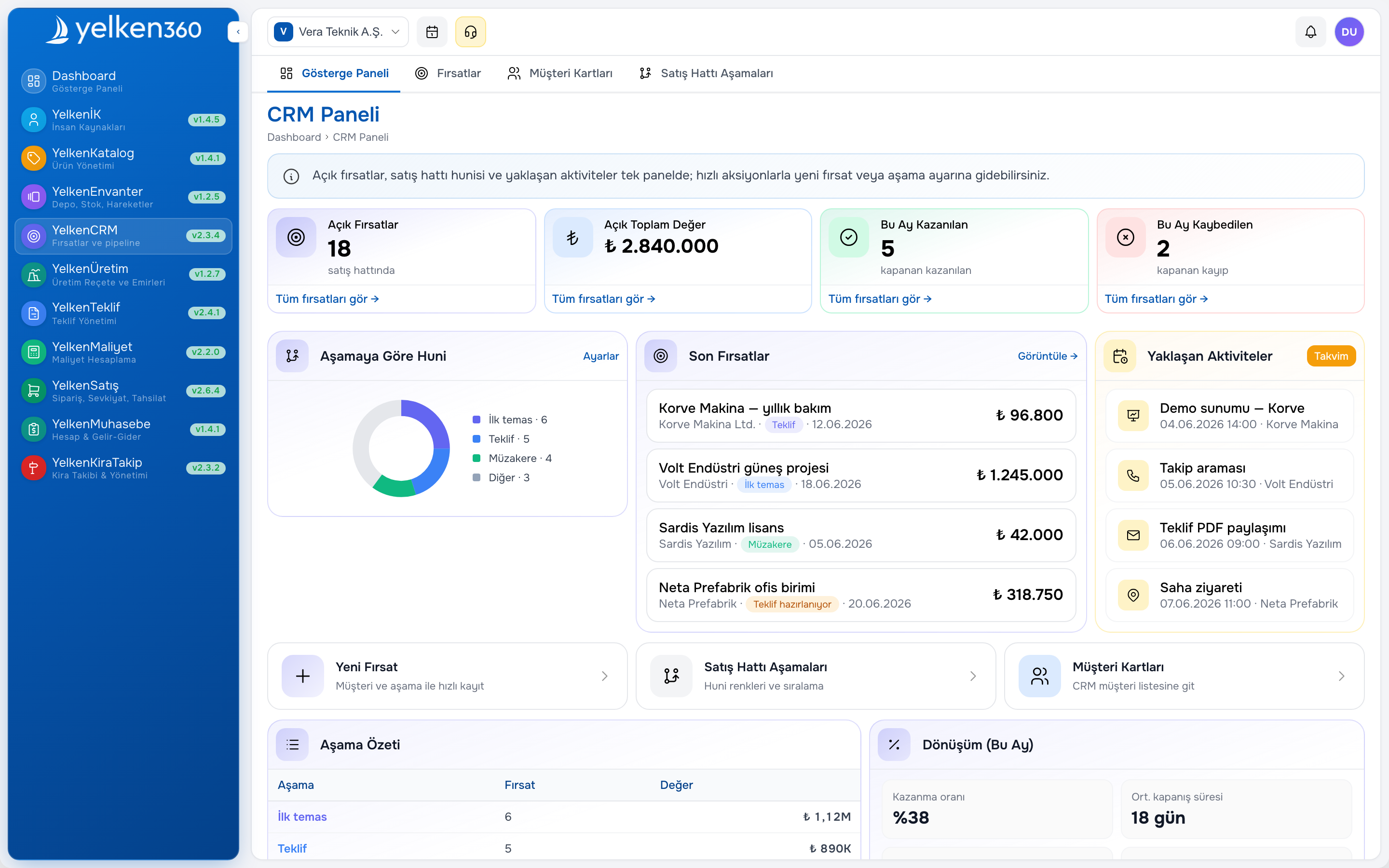
- CRM alignment: Does the quote sit on the opportunity record? Review CRM software fit.
- Post-win flow: Does acceptance create an order or project automatically?
- Modular fit: Can you enable proposal first and add inventory later? Compare modules and pricing.
Rollout steps that work for SMEs
Phase one: standardize ten to twenty quote templates that cover eighty percent of deals. Phase two: migrate active price lists and discount rules. Phase three: train sellers on revision discipline—every change is a new version, not a side email. Phase four: connect acceptance to fulfillment so warehouse and finance see the same totals.
Teams that skip template design often recreate chaos inside the new system. Invest one workshop to define mandatory fields: delivery terms, export incoterms if relevant, warranty text, and commercial signatory. Document a short internal style guide so PDFs look consistent across reps.
Measuring success after go-live
- Median hours from draft quote to customer send
- Average revisions per won deal
- Percentage of quotes sent with online link versus PDF only
- Order fulfillment errors traced to wrong quoted SKU or price
- Win rate on deals with proposal sent within SLA
Common mistakes to avoid
- Treating proposal software as a PDF designer only, with no catalog link
- Allowing unlimited discount overrides without audit trail
- Sending quotes from personal inboxes so CRM and ERP never see the outcome
- Ignoring mobile readability for buyers reviewing on phones
- Running parallel “emergency” spreadsheets for rush deals
Where Yelken360 fits
Yelken360 is a modular cloud ERP: you can start with the Yelken Proposal package and add stock, CRM, or accounting when the business is ready. Quotes, customers, and limits stay scoped per workspace—useful when you run separate brands or branches under one company account.
If you want to compare packages or discuss a pilot workspace, see pricing or contact the team for a walkthrough aligned to your quote volume and approval rules.
Frequently asked questions
Is proposal software the same as CPQ?
CPQ (configure, price, quote) usually implies complex product rules and bundling. Many SMEs need practical quoting: catalog lines, discounts, PDF, and approval. Full CPQ may be overkill until SKU rules and option matrices explode.
Do we still need PDF if we have online approval?
Yes for many B2B buyers. Procurement often archives PDFs. The best flow offers both: an online page for fast yes or no and a PDF for records and signatures where required.
How long does implementation take?
With existing price lists and two to three templates, teams often go live in two to four weeks. Complex BOM quoting or multi-entity pricing adds time and should be phased.
Can we integrate with our current CRM?
If CRM and ERP are separate, define which system owns the opportunity stage. Native modular ERP keeps opportunity, quote, and order on one customer card—fewer sync errors and less double entry.
What ROI should we measure?
Track quote cycle time, revision count per deal, win rate after online send, and fulfillment errors caused by wrong quoted SKU or price. Tie improvements to gross margin protected, not only document count.