Small Business CRM: How to Build and Measure a Sales Pipeline
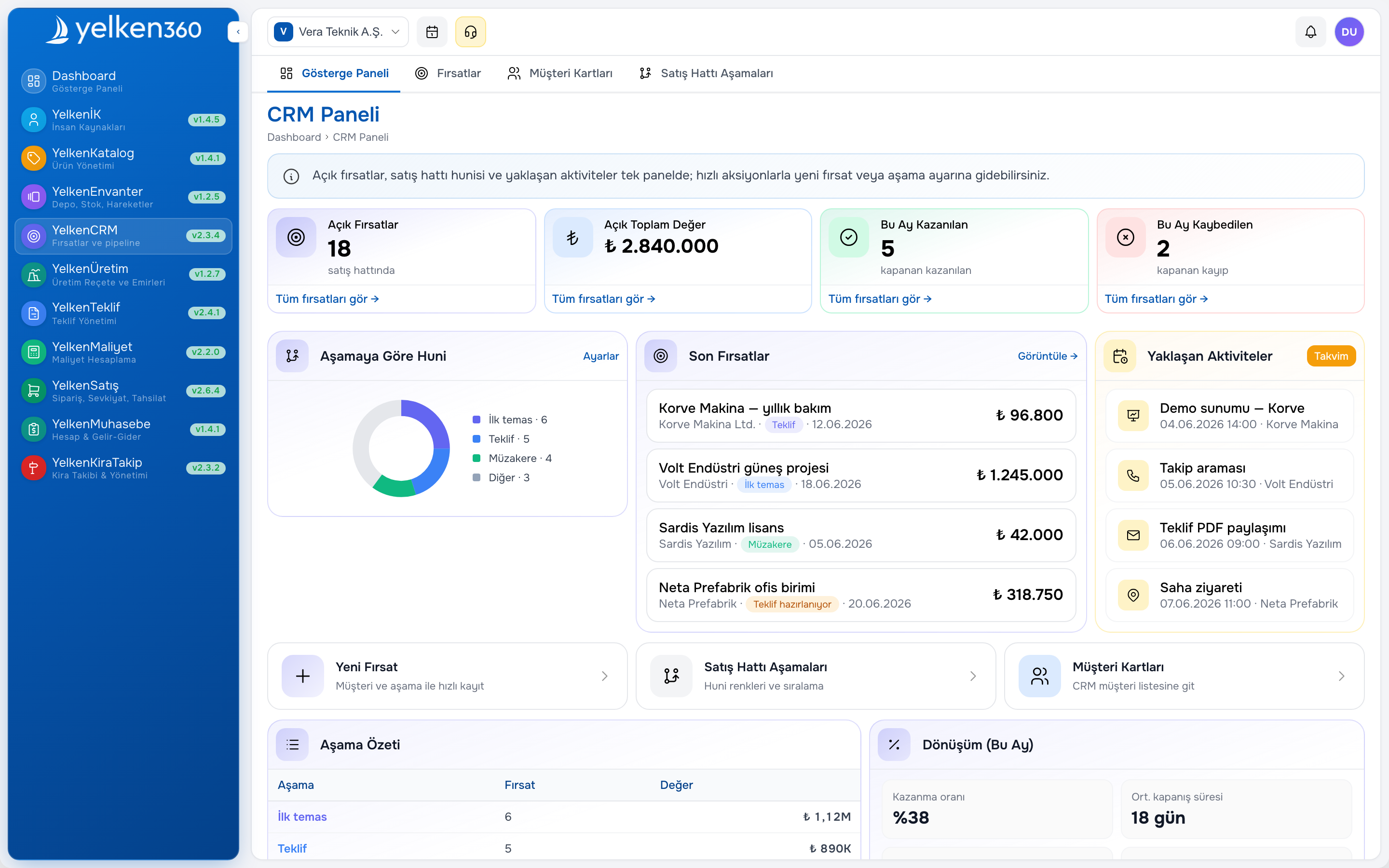
Quick answer: Small-business CRM turns contacts into a pipeline—stages, tasks, and expected close dates—so revenue becomes forecastable, not anecdotal. The funnel gives everyone the same language for “where is this deal, really?”
A pragmatic template for lean sales teams.
Stage design
Too many stages create noise; too few hide bottlenecks. Five to seven stages is a common SME balance:
- Qualification
- Discovery / demo
- Proposal
- Negotiation
- Closed won / lost
Minimum fields per opportunity
- Expected close date and amount
- Next step and owner
- Loss reason (required on lost deals)
- Competitor and differentiation notes
First three KPIs
- Stage conversion rates (where is the funnel leaking?)
- Average sales cycle (days)
- Forecast accuracy (amount and date variance)
Why connect CRM to ERP
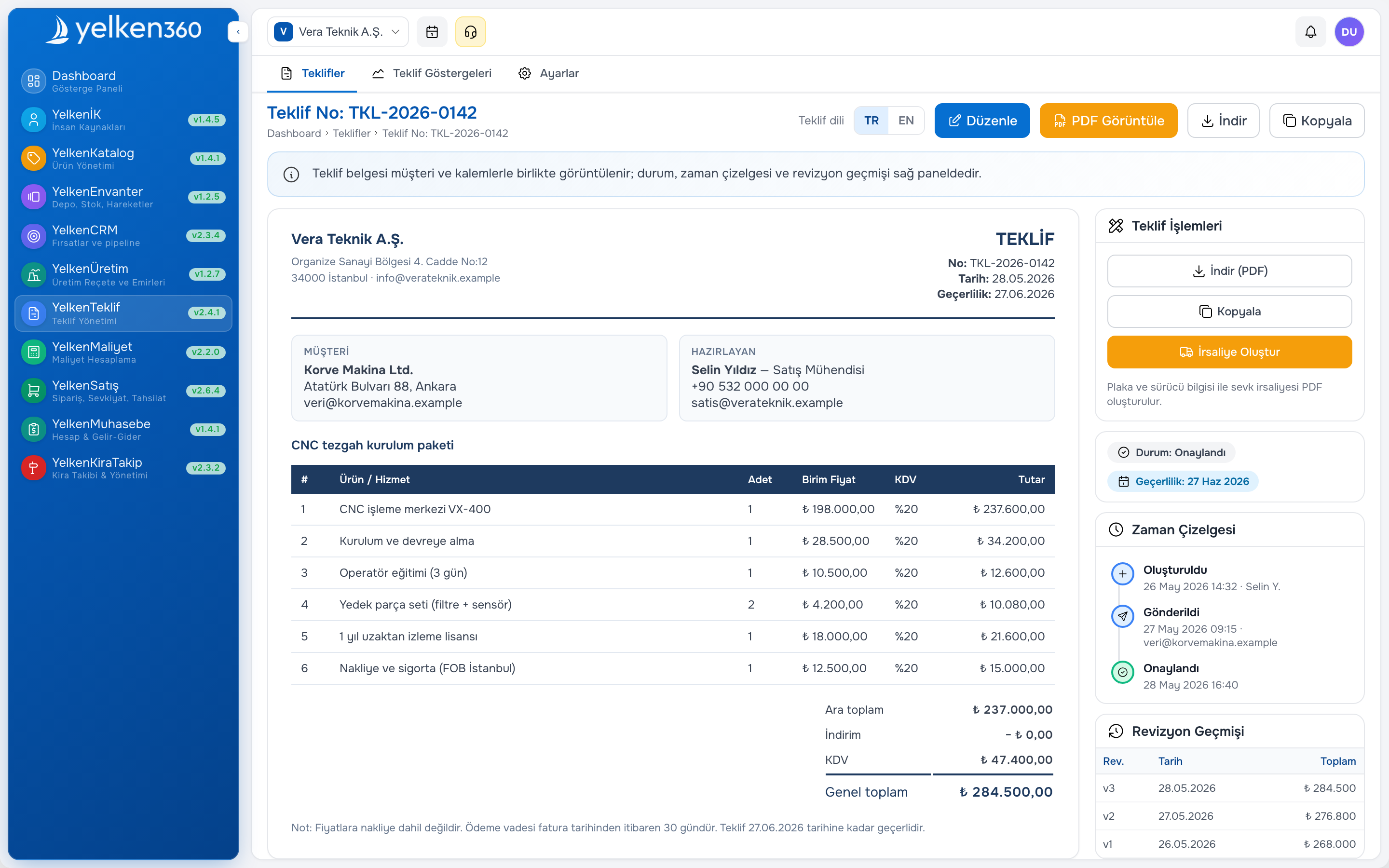
When quotes become orders and invoices on the same customer/item master, you cut double entry and let inventory and finance ground your forecast in reality—closing the gap between “promised in CRM” and “true in ERP”.
Common pitfalls
- Vague stages like “following up.”
- Stale close dates polluting monthly reports.
- Free-text loss reasons that resist analysis.
Takeaway: CRM is an operating system for sales: simple stages, mandatory fields, coded loss reasons.