Aligning Warehouse and Sales with Inventory Software
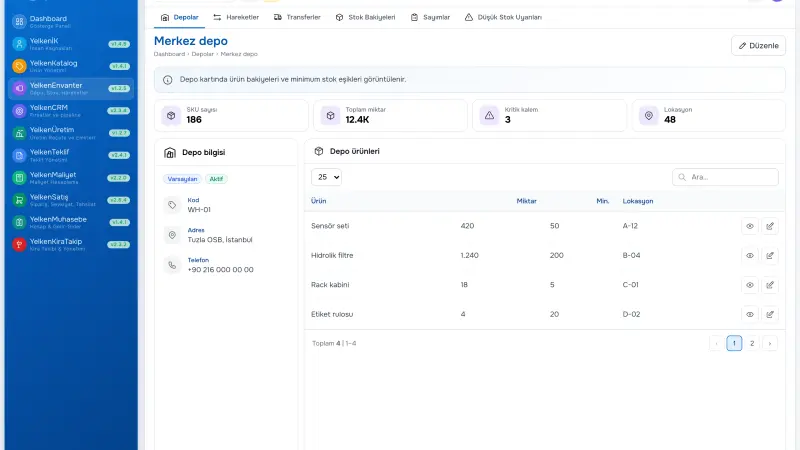
Warehouse and sales teams argue when stock numbers disagree—often because receipts, transfers, and shipments are recorded in different tools or on different days. Inventory and warehouse software aligns multi-location stock, counts, and sales issues on one SKU ledger so customer promises match physical reality.
Short answer: Inventory software tracks quantities and movements per warehouse and location, links issues to sales documents, supports transfers and cycle counts, and surfaces available-to-promise to sales—replacing spreadsheet stock tabs that diverge from the floor.
Why misalignment hurts B2B revenue
Sales quotes delivery in five days; warehouse knows the item is in another branch. The customer receives a delay notice; margin erodes on expedited freight or penalties. Root cause is rarely malicious—it is fragmented data. One file for on-hand, another for reserved, email for transfers.
Central inventory with document-driven movements creates an audit trail: who received, who picked, who adjusted after count.
Operational visibility you should demand
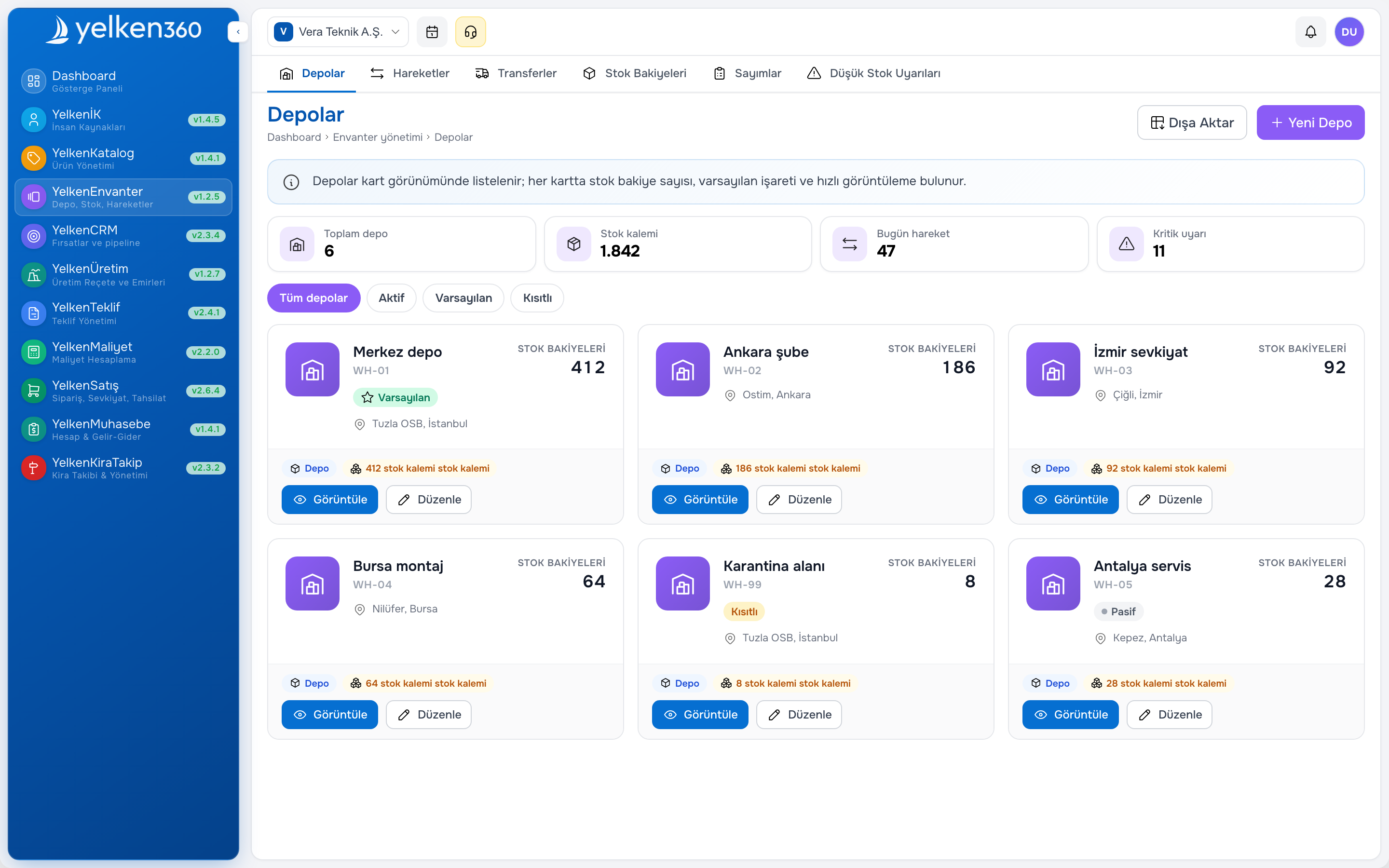
- On-hand, reserved, and available by warehouse
- Transfer in transit between branches
- Minimum stock alerts by SKU or category
- Count sessions with variance posting
- Shipment linkage to sales order lines
Designing warehouses and locations
Even a single physical site benefits from logical locations: receiving, bulk, pick face, quarantine. Multi-branch retailers need a warehouse per branch plus a central hub. Define whether sales can see group stock or only local stock—policy matters as much as software.
Pair structure with product catalog software so SKU, unit, and barcode are consistent before you scan goods.
Aligning sales and warehouse rhythms
Sales should see ATP (available to promise) when quoting, not only after order entry. Warehouse should see order priority and partial ship rules. Partial shipments are normal in B2B; inventory must support backorder visibility without duplicate lines on spreadsheets.
Integrate with sales order management software so pick lists originate from confirmed orders, not verbal requests.
Cycle counting versus annual wall-to-wall
ABC classification helps: count A items monthly, C items quarterly. Smaller teams often skip formal ABC but should still count top revenue SKUs regularly. Post variances with reason codes—damage, theft, system error—to improve process.
Demand planning without a crystal ball
SMEs rarely need AI forecasting on day one. Start with min-max per SKU based on last season plus supplier lead time. Review monthly: if you stock out of A items twice, raise minimums; if C items gather dust, lower them. Sales input on promotions should adjust mins before campaigns start—not after warehouse panic.
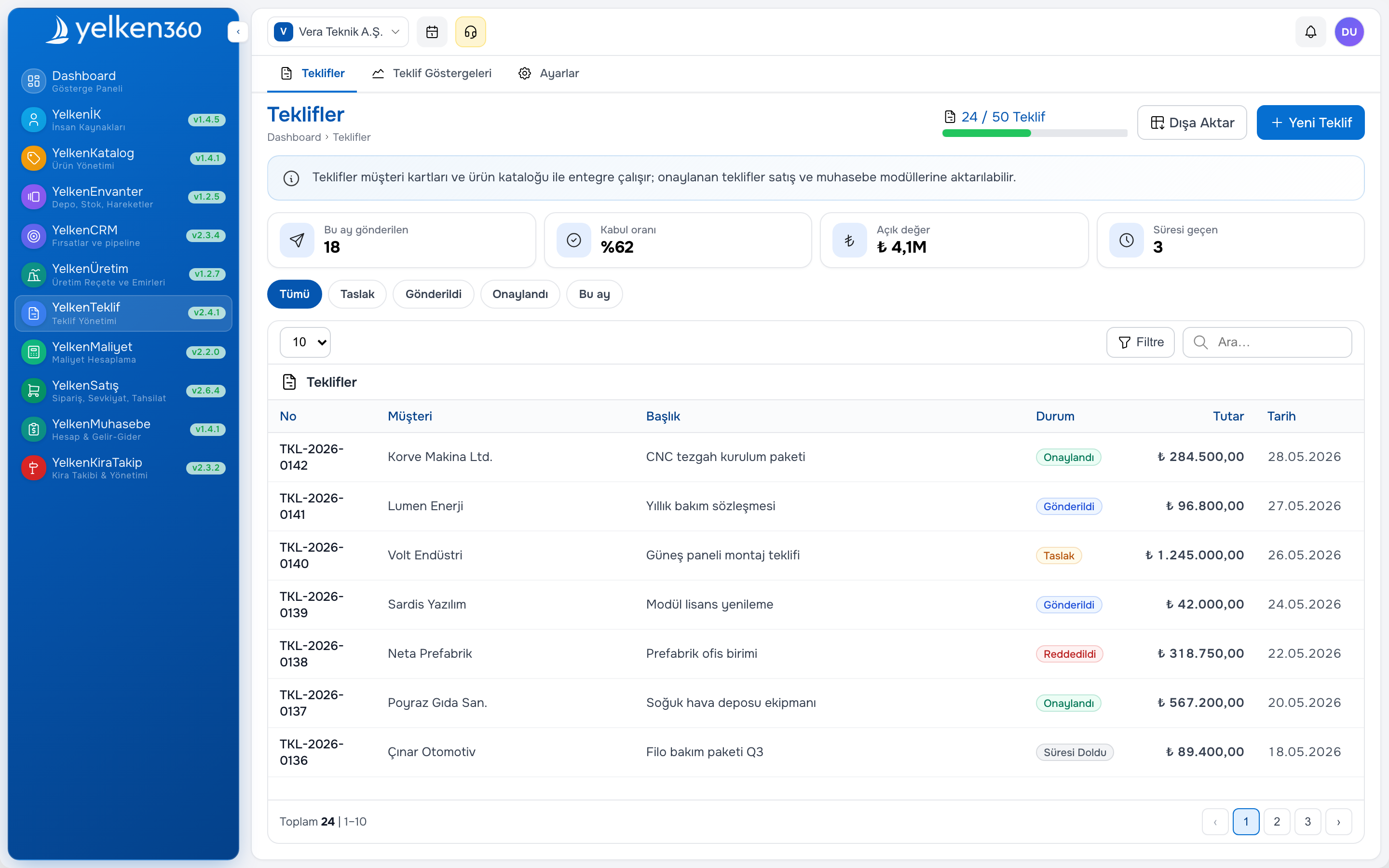
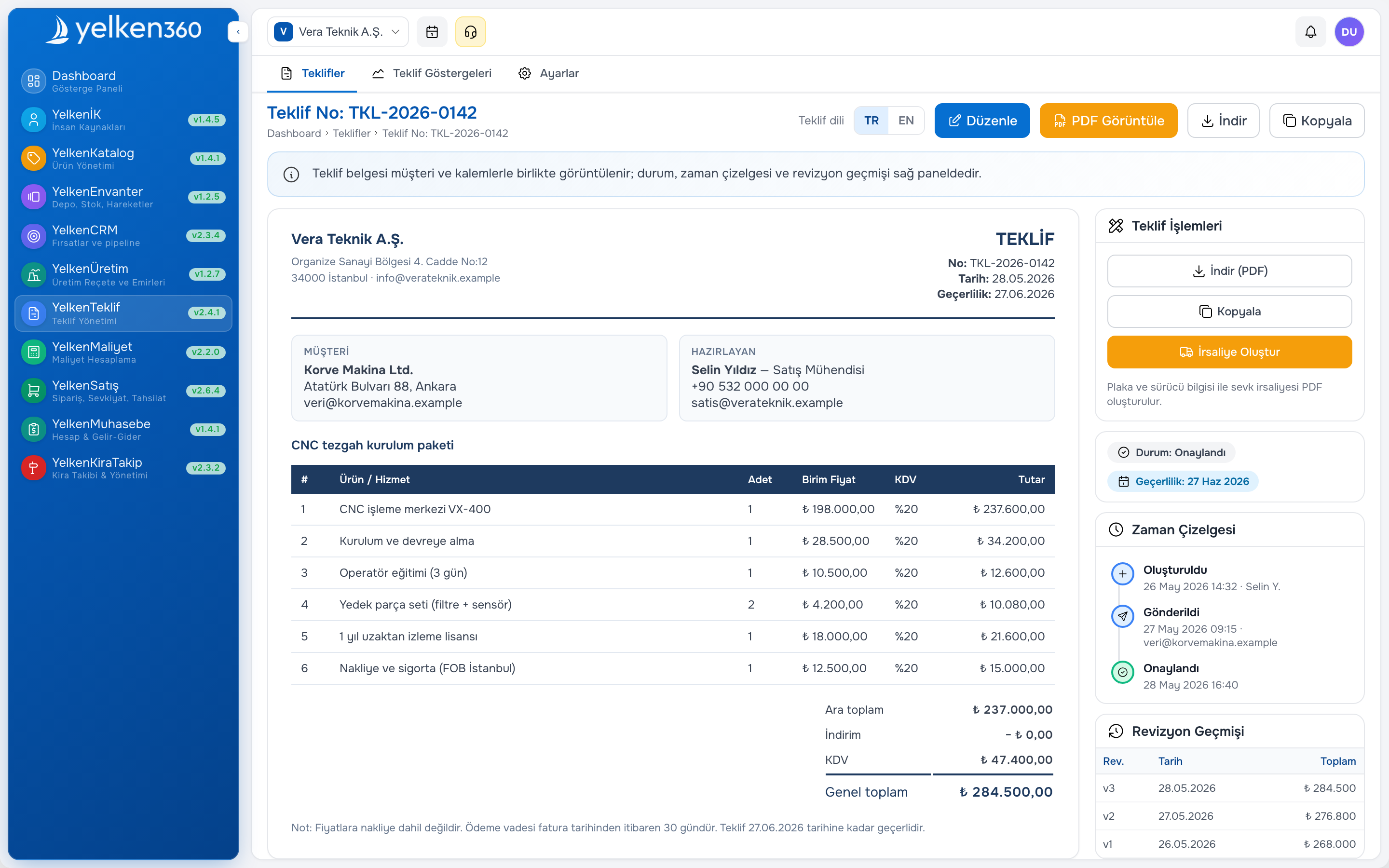
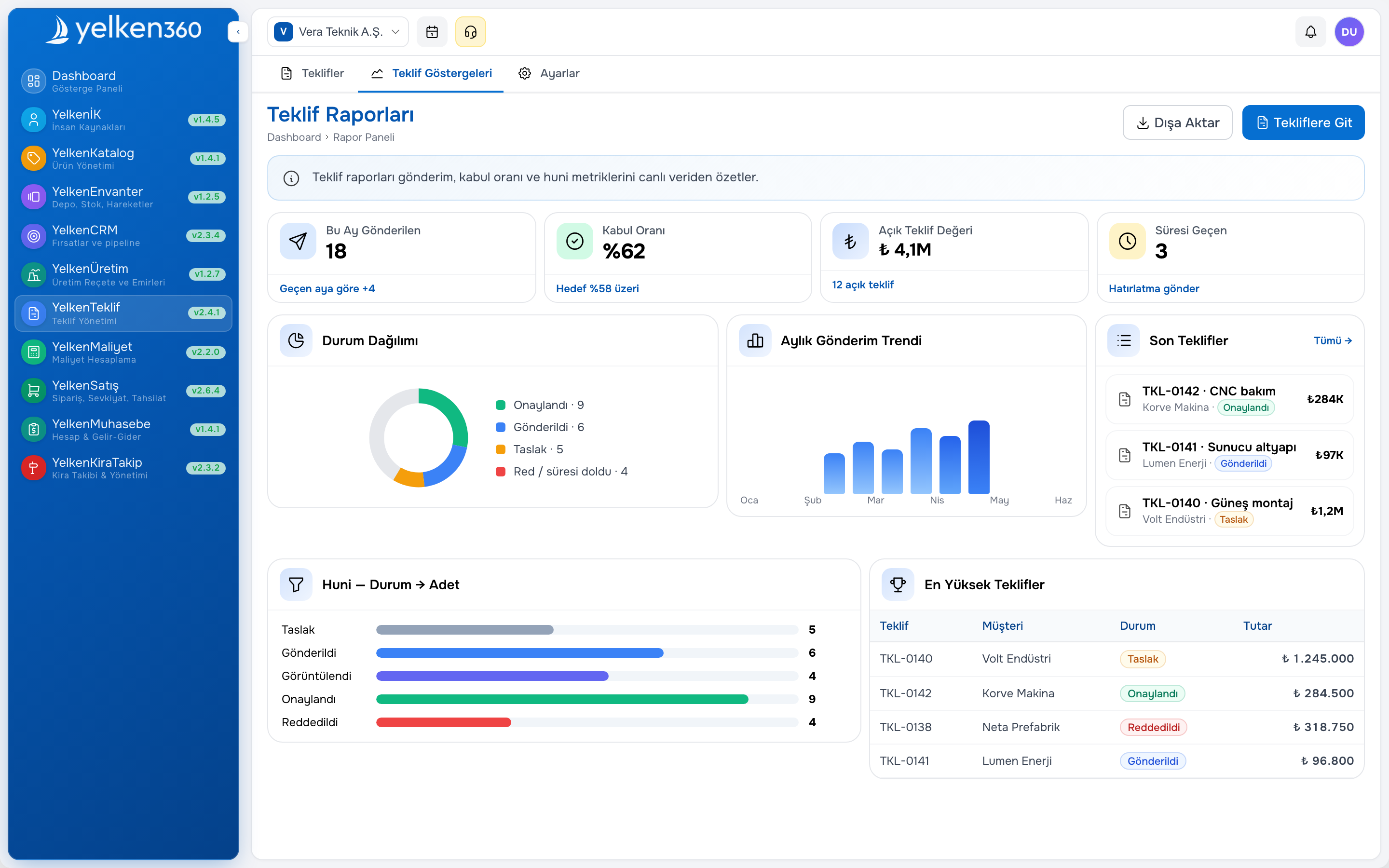
When proposal software shows strong pipeline for a SKU, treat open quotes as soft demand. Some teams reserve stock at quote stage; others reserve only at order—pick a rule and document it.
Transfers and multi-branch stock
Transfers should create in-transit state until receiving confirms. Branch managers trust the hub when numbers do not jump instantly. For groups with several shops, workspace-scoped ERP keeps each branch ledger clear while leadership consolidates reports.
Quality holds and non-conforming stock
Incoming inspection may reject batches. Quarantine locations prevent accidental picks. Document disposition: return to vendor, rework, or scrap with authorization. Sales must not promise quarantined quantity—ATP calculations should exclude it until released.
Returns from customers follow the same discipline: inspect, restock sellable units, scrap the rest with reason codes. Month-end margin reviews become credible when scrap is visible, not buried in unexplained adjustments.
Implementation steps
- Clean SKU master and units of measure
- Map warehouses and default locations
- Import opening balances with signed count sheets
- Train receiving and picking on document types only
- Connect sales order issue rules and returns
Yelken360 inventory module
The Yelken Inventory package works with product catalog and optional proposal or sales modules. Enable modules per workspace on pricing plans that match branch count and SKU volume.
Manufacturers should also review manufacturing and BOM software when finished goods come from production orders, not only purchases.
Questions on multi-warehouse rollout? Contact us or browse all modules.
Frequently asked questions
Do we need barcode scanning on day one?
No. Many SMEs start with document-based entry and add scanning when pick volume justifies hardware.
How is inventory different from asset tracking?
Inventory is consumable or resold goods with turnover. Fixed assets have depreciation and different tax rules—keep them separate.
Can one SKU have multiple units?
Use a base unit internally and define sales units with conversion factors to avoid float errors in Excel.
What about negative stock?
Some systems allow it temporarily; best practice is block or warn at issue so sales fixes source documents first.
How do we handle returns?
Returns should post a receipt with quality status—restock, scrap, or rework—not informal plus-one adjustments.
Reporting warehouse and sales together
Weekly ops review should include fill rate, count accuracy, and top ten SKUs with negative available. Sales attends to hear about inbound PO delays; warehouse hears about campaign spikes. Shared metrics end the blame cycle between departments.
Export exception lists for leadership—items below minimum, overstocks above ninety days supply, transfers overdue more than three days. Action owners are named on each line.
Kitting and assembly before ship
Some distributors pre-assemble kits before customer shipment. Define kit BOMs so components issue and finished kit receives in one logical step—otherwise components disappear from stock while kits are invisible. Sales quotes kits as single SKU; warehouse picks exploded components per standard.
Document whether kits can be broken back to components without manual adjustments—returns and cancellations happen.
Strong inventory discipline is a competitive advantage in B2B: buyers remember reliable delivery more than the lowest quote once. Investing in counts, transfers, and ATP visibility pays off in repeat orders and fewer emergency freight bills.