Production Orders and BOM: ERP Guide for Manufacturers
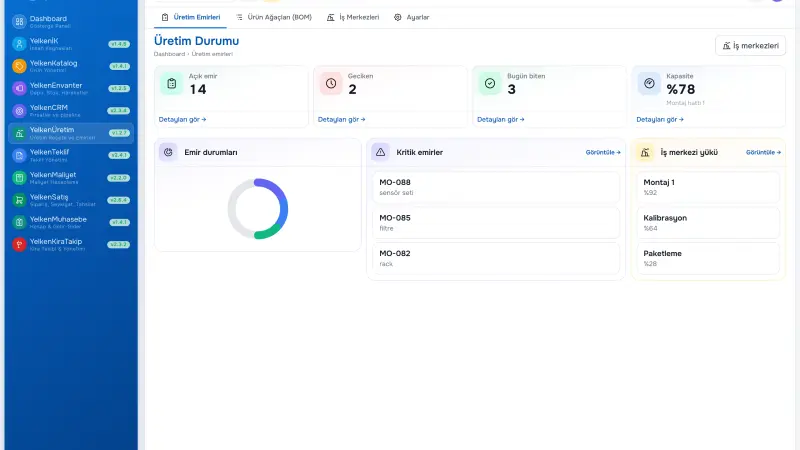
Manufacturers without structured BOM and production orders guess material needs, overrun scrap, and struggle to explain delays to customers. Manufacturing and BOM software links recipes, routings, and stock movements so each finished unit is traceable from purchase to ship.
Short answer: Manufacturing ERP tracks bills of materials (BOM), production orders, material issues and receipts, and optional routing steps—updating inventory when orders complete so planning and costing reflect what the shop floor actually consumed.
BOM as the digital recipe
A BOM lists components, quantities, and scrap factors per finished SKU. Revisions must be controlled—production should not pull obsolete part numbers because someone edited a sheet silently. Version effective dates align engineering changes with shop floor reality.
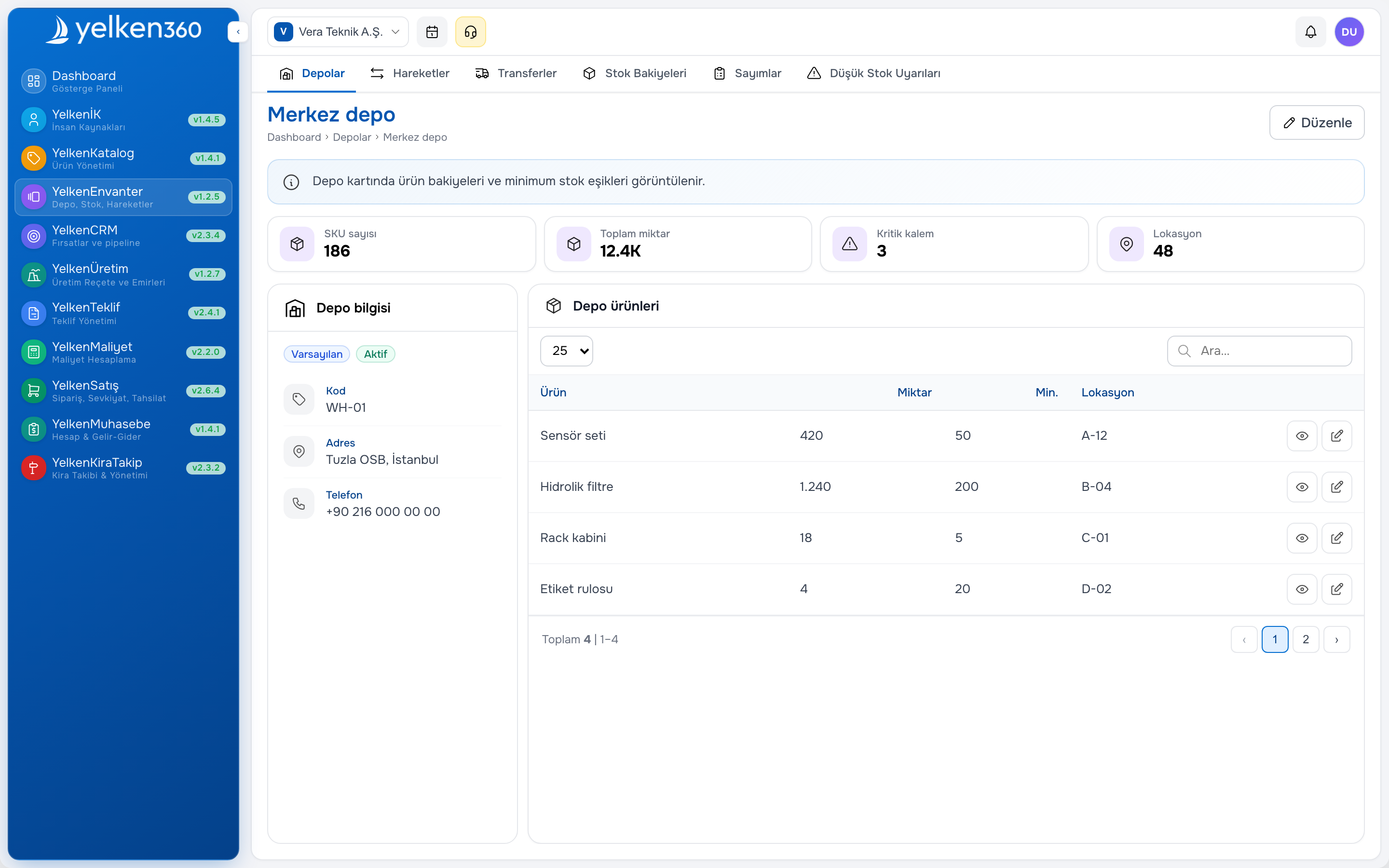
Link BOM lines to product catalog items and raw materials stocked in inventory software.
Light MRP for SME factories
- Explode BOM for planned production quantity
- Compare required components to on-hand and on-order
- Flag shortages before releasing order to floor
- Issue materials on start or backflush on completion—pick one policy
- Receive finished goods into stock with unit cost rollup
Production orders and shop floor
A production order states what to make, how many, and due date. Status flows: planned, released, in progress, completed, closed. Operators record quantities good and scrap; supervisors see WIP by work center if routings exist.
Simpler shops may skip detailed routing and still gain from order-driven material issues and finished goods receipt.
Traceability and quality
Regulated or quality-conscious buyers ask which lot went into which shipment. Lot or serial tracking on components propagates to finished goods when configured. Even without regulation, traceability reduces recall cost and internal blame games.
Explore sector context for manufacturing businesses adopting ERP discipline early.
Subcontract and outside processing
When a step runs outside—plating, heat treat—track send and receive documents. Components in vendor custody should not show as available for other orders. Include subcontract lead time in master data so quotes promise realistic dates.
Connecting sales and production
Make-to-order ties sales orders to production orders—capacity and component availability should inform promise dates on quotes. Make-to-stock uses forecast and min-max rules; still explode BOM for planned runs.
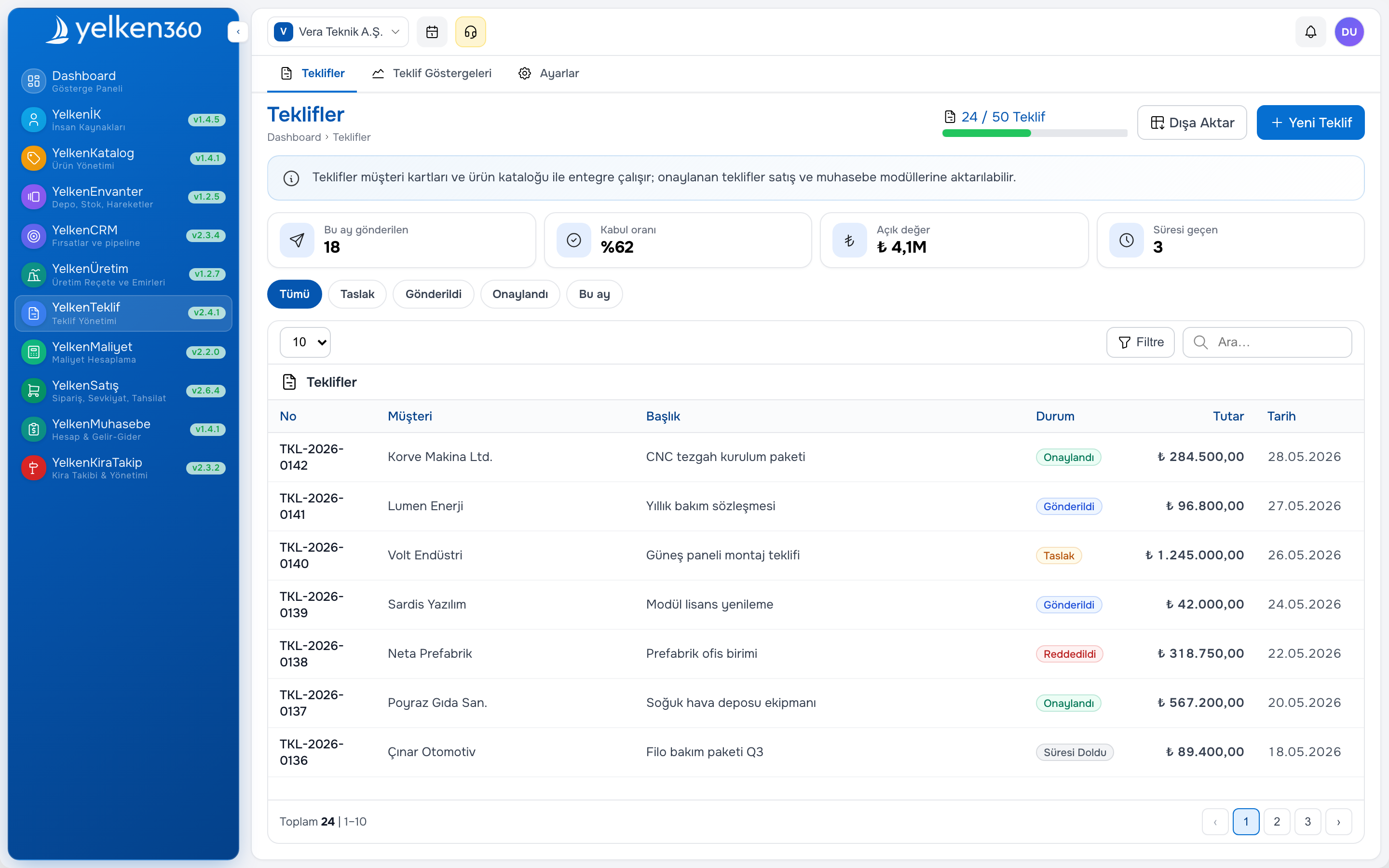
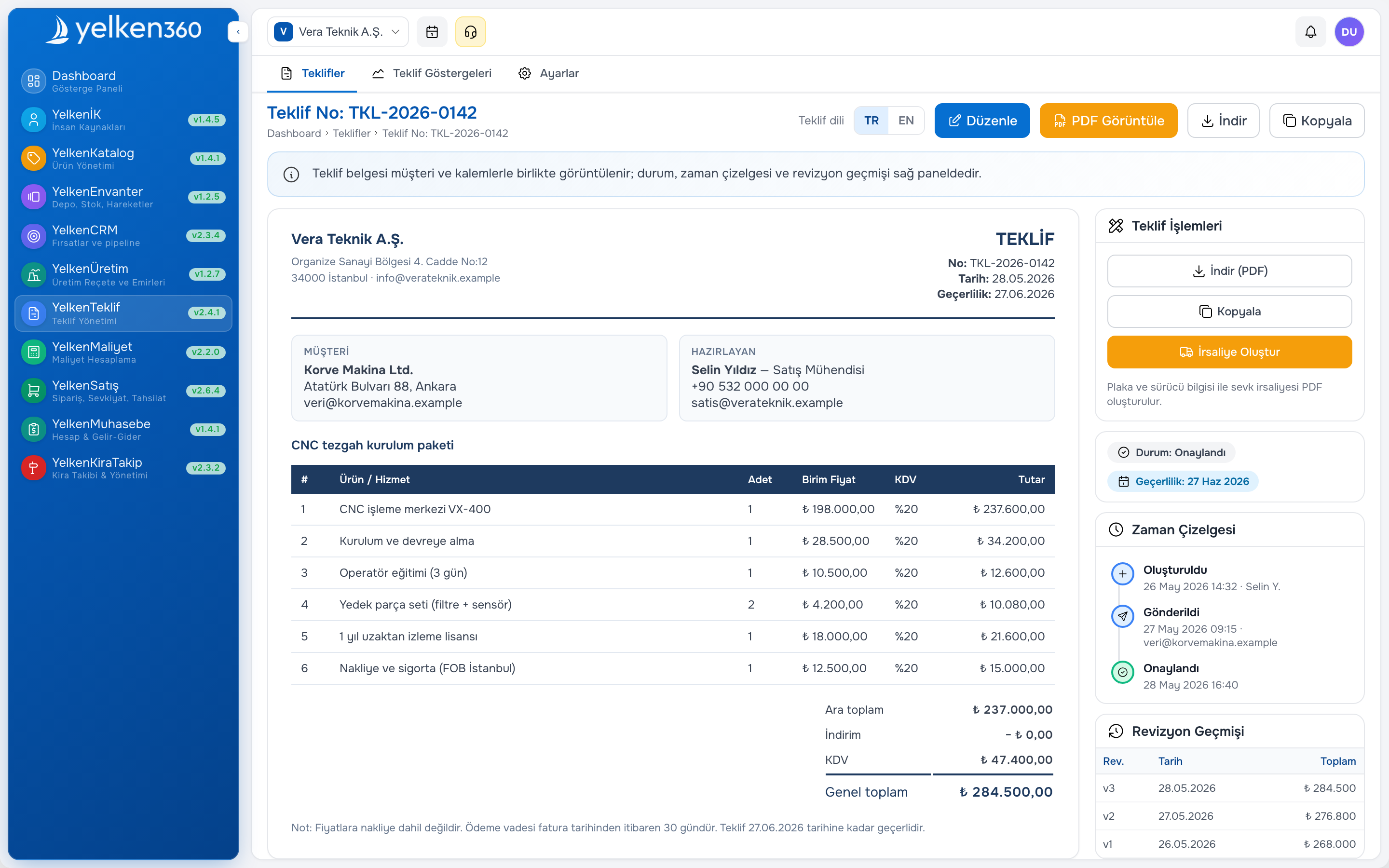
Commercial teams using proposal software should see lead times fed from production parameters, not static guesswork.
Capacity and scheduling reality
Before promising five-day lead time on custom assemblies, compare open production orders to available hours per work center. Even rough capacity buckets—assembly A versus paint booth—prevent sales from selling impossible dates.
Overtime and subcontract rush fees eat margin; when ERP shows chronic overload on one center, hiring or routing changes are data-backed conversations, not guesswork.
Costing without over-engineering
Start with standard material cost from last purchase or average; add labor buckets per routing later. Perfect costing is less valuable than consistent issues and receipts. Finance reviews variance monthly.
Common manufacturing ERP mistakes
- BOM maintenance divorced from engineering change process
- Backflushing materials without cycle counts on components
- Ignoring unit of measure conversions on small parts
- Running production orders without closing—WIP lies forever
- Skipping link between sales promise and capacity
Maintenance and downtime
Planned maintenance should block capacity on work centers so planners do not schedule orders during known outages. Unplanned downtime gets logged with reason—electrical, tooling, material wait—to guide capex conversations.
Link spare parts to BOM maintenance kits where relevant so technicians issue parts through inventory instead of shadow stock in toolboxes.
Rollout for small plants
- Model top twenty finished SKUs with accurate BOM
- Pilot one line or cell with production orders
- Train material issue discipline before optimizing scheduling
- Add routing detail after first month stabilizes
- Integrate finished goods to sales shipment
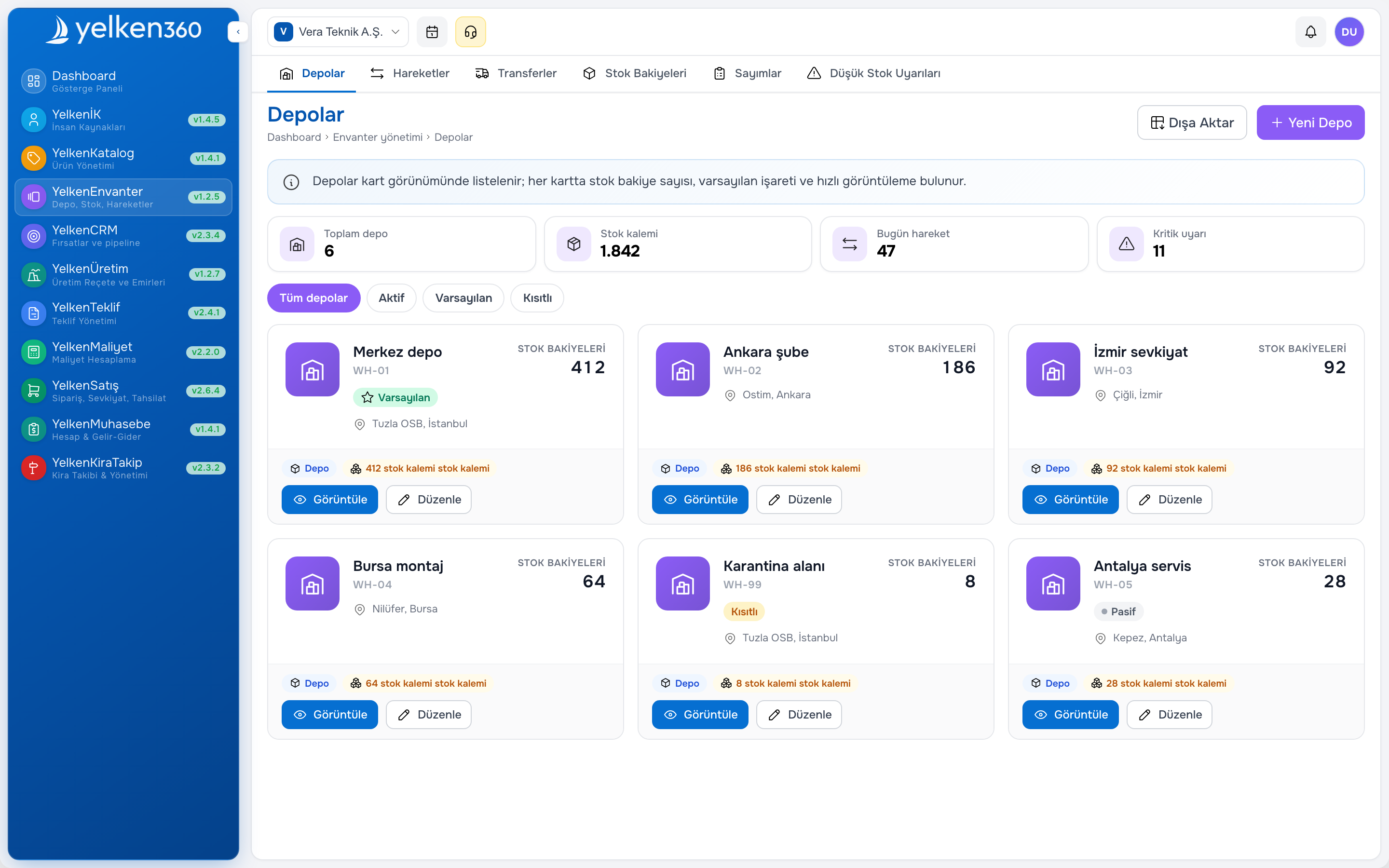
Yelken360 production module
The Yelken Production package integrates with product and inventory modules in Yelken360. Review all modules and pricing; contact for manufacturing scoping.
Frequently asked questions
Do we need full MRP for ten SKUs?
Often production orders plus BOM explosion is enough; advanced scheduling comes with complexity growth.
Can we subcontract operations?
Track subcontract steps as operations or purchase services; define whether components issue to vendor inventory.
How do we handle engineering change?
Use BOM revision with effective date; never edit completed order BOM retroactively—issue amendments forward.
What about batch size one?
Each order can be quantity one; system cost is data discipline, not batch minimum.
Does CRM matter for factories?
Yes for custom machinery sales—CRM plus quote-to-production links protect margin on engineered deals.
After go-live: continuous improvement
Review scrap rates by SKU monthly. Compare standard BOM consumption to actual issues; persistent variance means BOM wrong or training gap. Close production orders promptly so costing and WIP reports stay meaningful for the owner.
As SKU count grows, add barcode scanning at high-volume issue points—optional but high ROI on picking accuracy.
Manufacturing ERP is not only for large plants—it is for any shop tired of guessing material availability and explaining late jobs without data. Start narrow, prove traceability on hero products, then expand BOM coverage as engineering bandwidth allows.
Can we run production without full routing?
Yes. Many SMEs begin with BOM plus production order status and add work-center routing when bottlenecks become visible. Perfect routing is optional; honest material issues are not.
Pair production go-live with one pilot SKU your team knows deeply—success there builds shop floor trust faster than big-bang cutover. Photograph the first completed order traveler for training new operators. Celebrate that milestone with the shop; visible wins sustain accurate data entry more than policy memos alone. Engineering and operations should review BOM changes the same week they take effect.