Sales Order Software: Closed Loop from Quote to Shipment
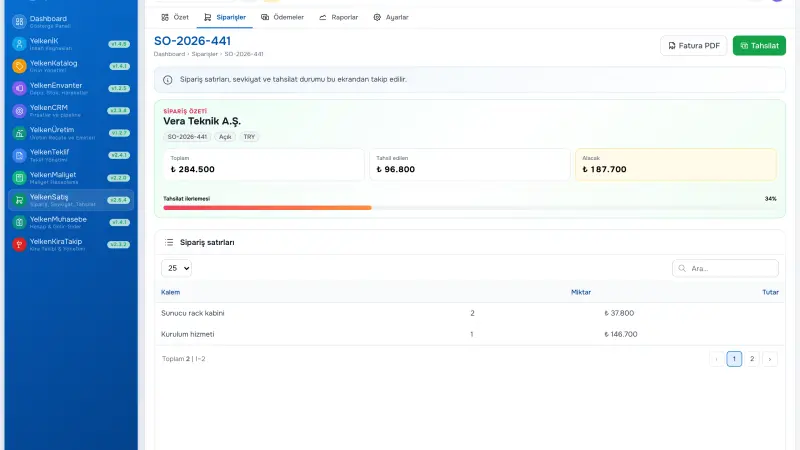
Winning the quote is only half the B2B battle—fulfillment, partial shipments, and collection determine whether margin reaches the bank. Sales order management software closes the loop from accepted proposal to shipment and receivables without retyping lines or losing context.
Short answer: Sales order software converts approved quotes into orders, manages line status and partial deliveries, triggers stock issues, and supports AR tracking—so quote-to-cash is one continuous process instead of disconnected emails and files.
Why quote-to-order breaks in SMEs
Sales celebrates a verbal yes while warehouse never received a formal order. Finance invoices the wrong quantity because someone edited a spreadsheet column. Partial shipments confuse the customer because backorder quantity was not visible on the confirmation.
A closed loop means every accepted commercial term exists as an order document every department references.
Elements of a closed B2B cycle
- Quote acceptance with locked prices and quantities
- Sales order with delivery schedule and ship-to
- Pick, pack, ship with partial line completion
- Invoice or collection plan aligned to terms
- CRM opportunity closed with order reference
Partial shipment and backorders
Distributors live with partials. Software should show ordered, shipped, and remaining per line without cloning rows manually. Buyers appreciate confirmations that state what shipped today and what is planned next. Sales avoids promising the full quantity when only part is in stock.
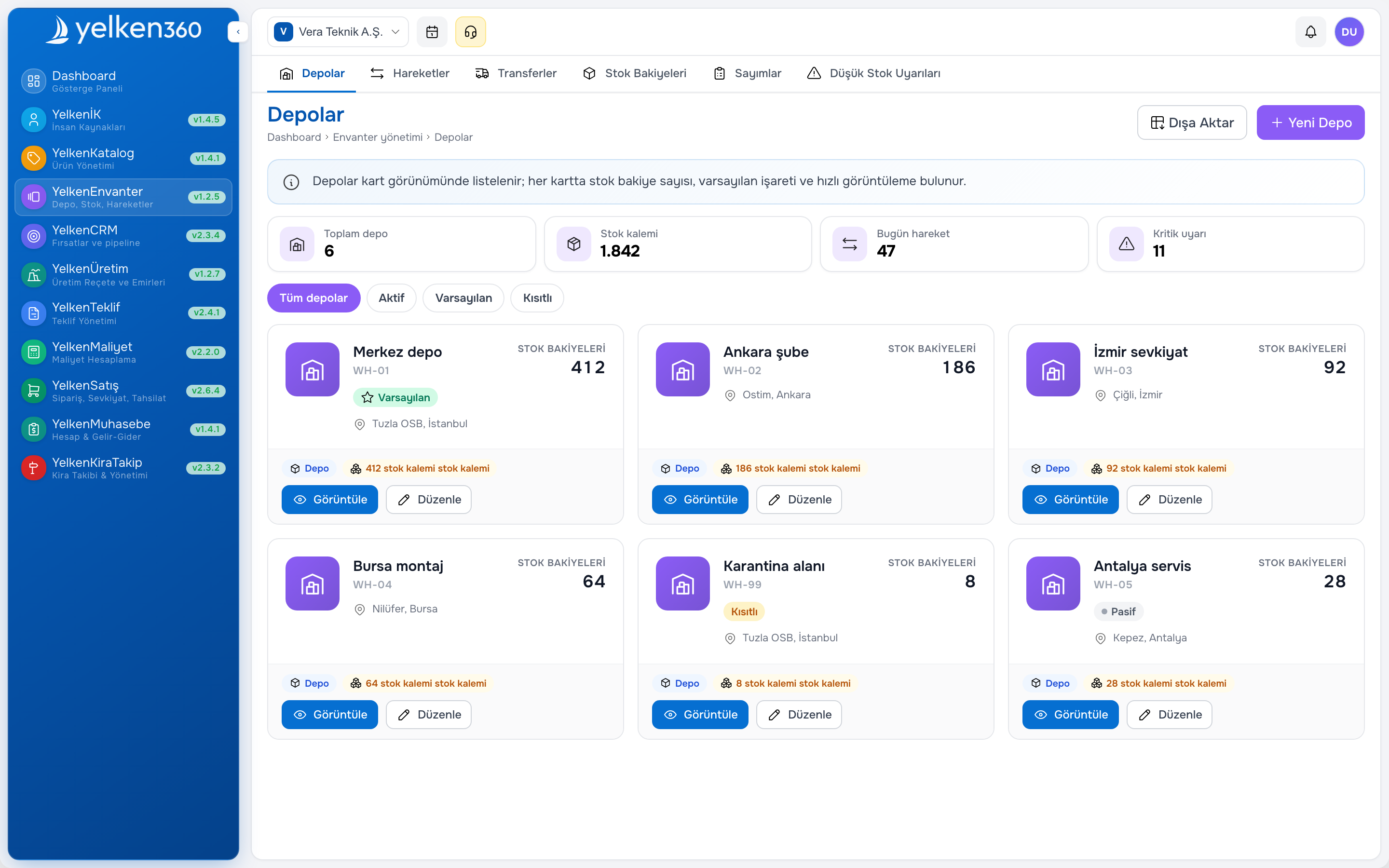
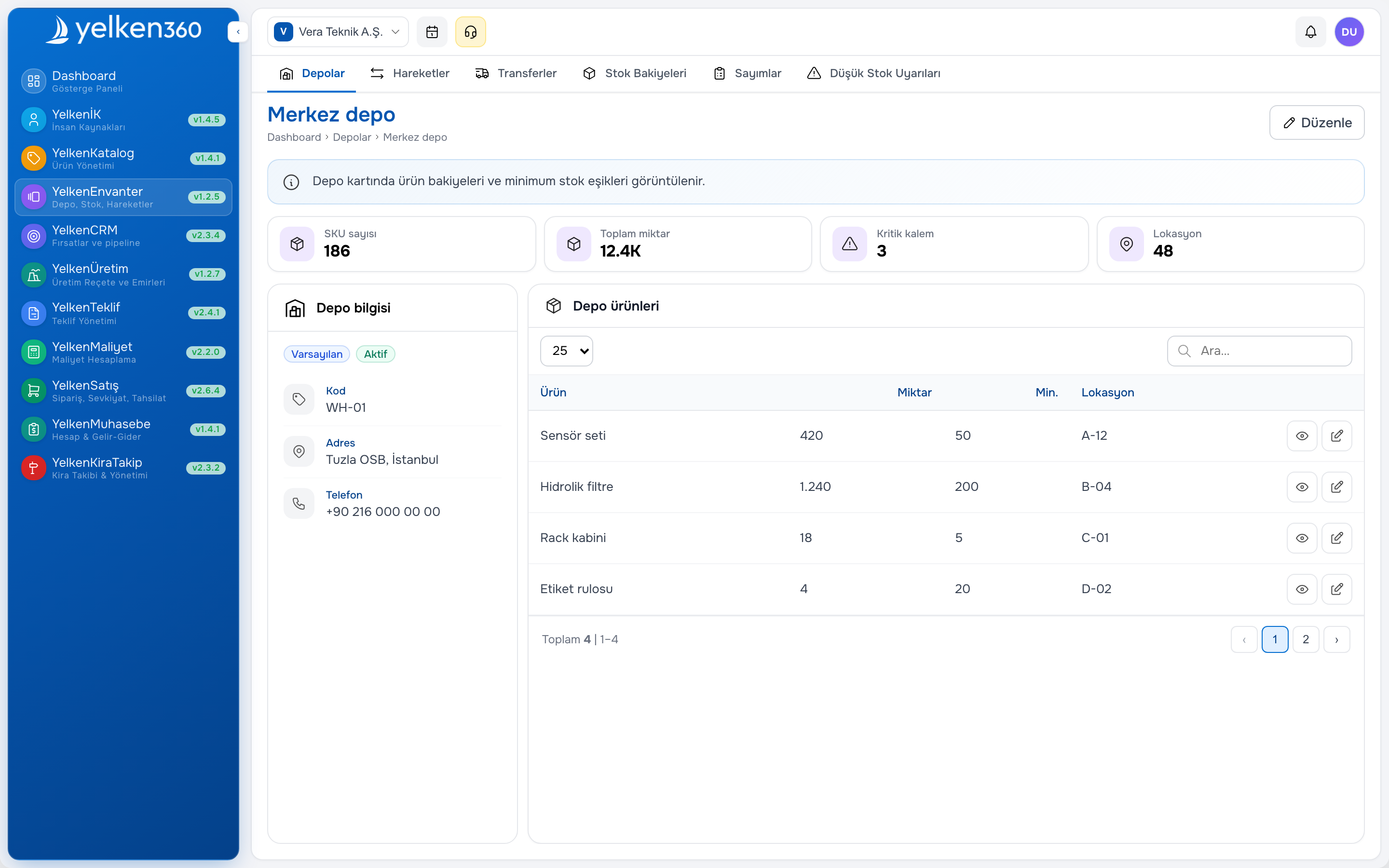
Stock issues must post from the order so inventory stays honest—see inventory and warehouse software alignment.
Linking proposals and orders
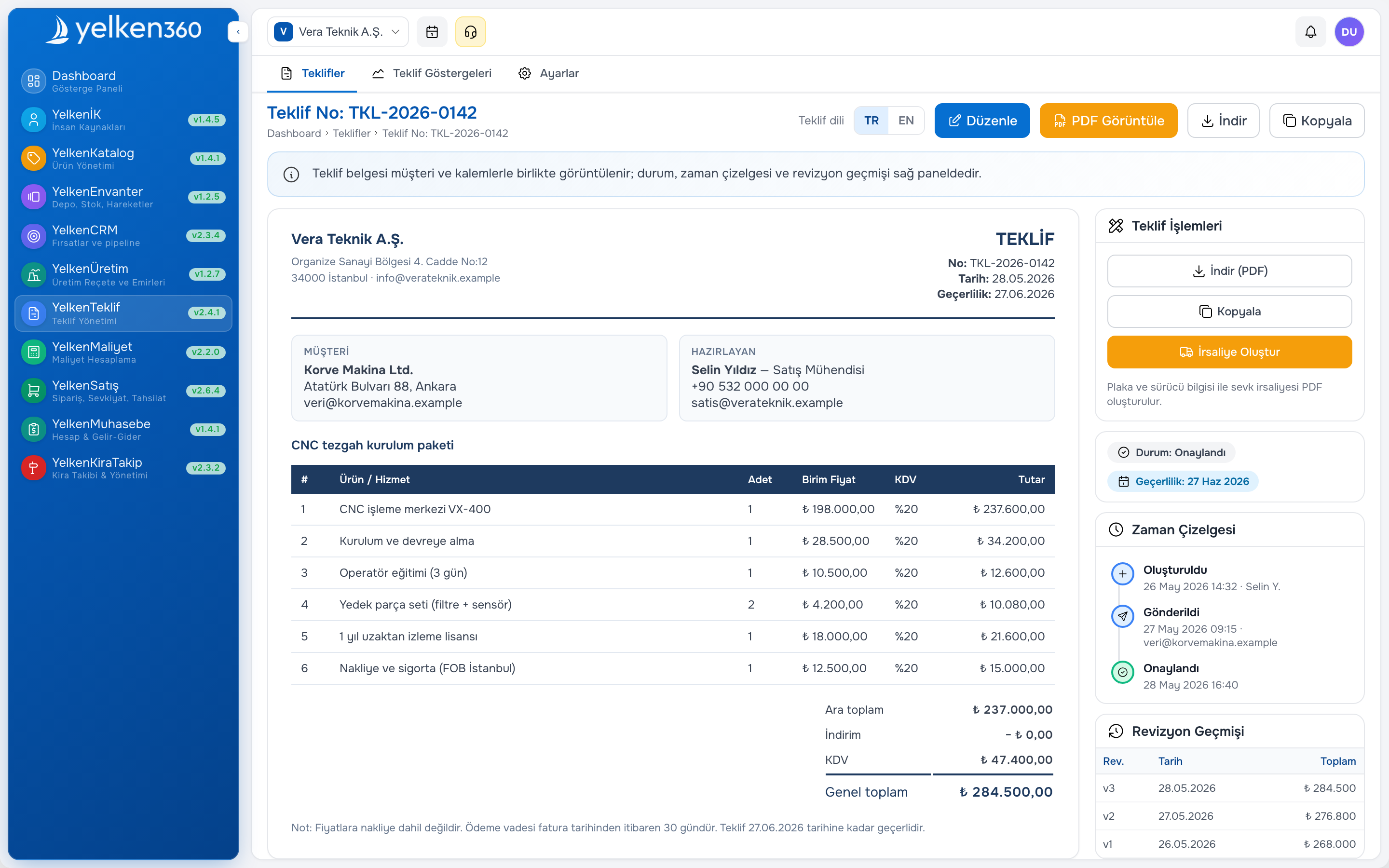
Manual recreation of quote lines on orders invites typos. Automated conversion copies SKU, quantity, unit price, discount, and tax treatment. If the customer requests a change after acceptance, issue a controlled revision or amendment order rather than silent edits.
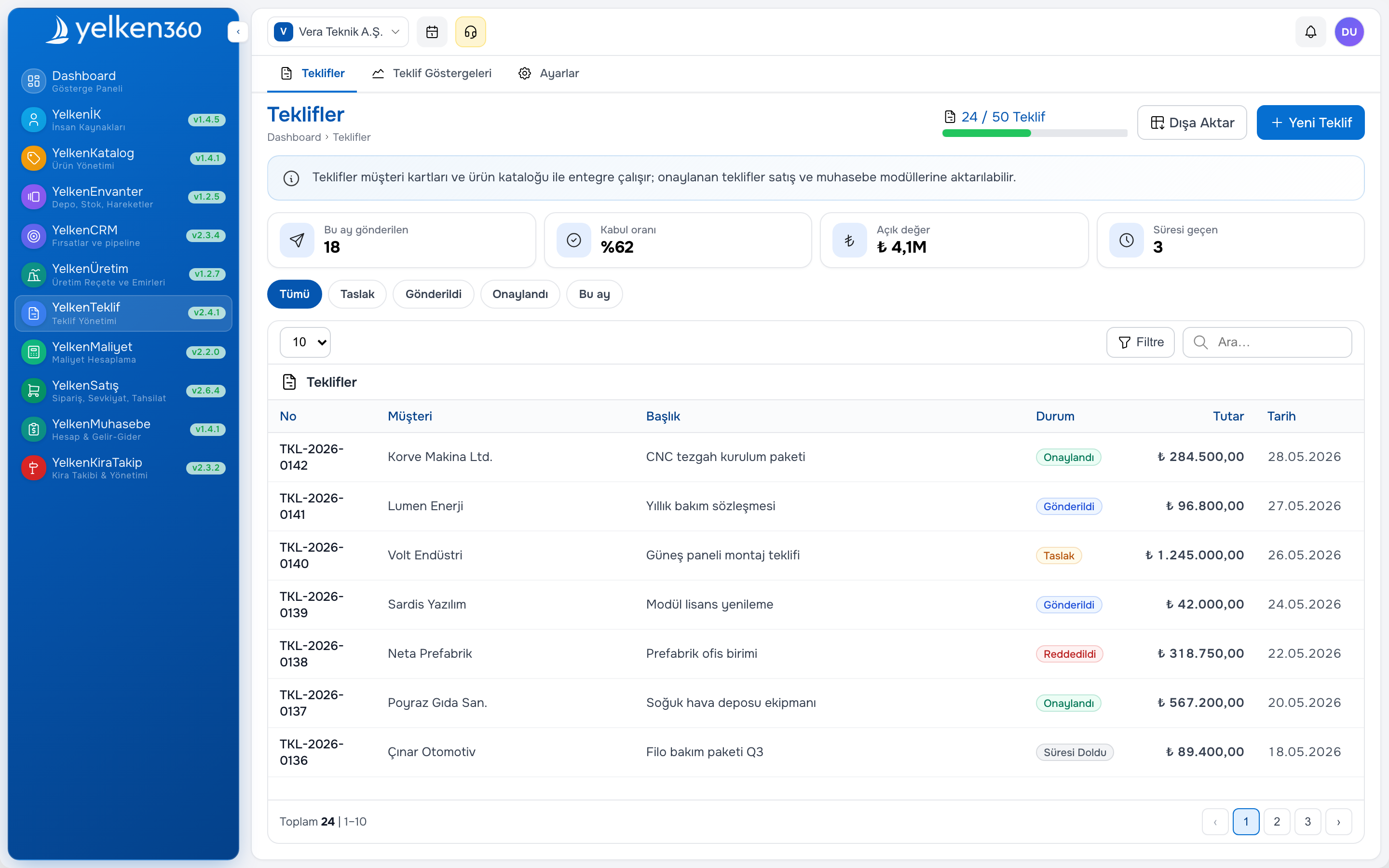
Use Yelken Proposal with Yelken Sales for native handoff; explore packages on modules.
Collections and cash timing
Order value is not cash. Tie shipment and invoice milestones to payment terms—prepay, net thirty, or progress billing on projects. Finance dashboards should show expected inflows by week when orders ship on schedule.
Pre-accounting views in accounting software complement order status for owners who manage liquidity tightly.
KPIs for order operations
- Order cycle time: accept to first shipment
- Fill rate on first shipment attempt
- Invoice lag after shipment
- Dispute rate on quantity or price mismatch
- Repeat orders without new quote when price list applies
Document types your team must not mix
Quote, order, delivery note, and invoice serve different purposes. Skipping straight from quote email to invoice without order and shipment documents invites quantity disputes. Train customer service to reference order line numbers on every touchpoint.
Drop-ship and third-party logistics add complexity: your order record should still reflect customer-facing quantities even if your warehouse never touches goods. Status fields should show supplier shipped versus delivered to customer.
Credit limits and order release
B2B sellers with open account terms need credit checks before release to warehouse. ERP should block or warn pick when AR exceeds limit, with override logged for finance. Sales learns to involve finance early on big deals instead of Friday afternoon surprises.
CRM and pipeline integrity
Opportunities should not remain open after order creation. Lost deals should not have active orders. CRM software integrated with orders keeps forecast honest for leadership reviews.
Allocating scarce stock across orders
When ATP is insufficient, define allocation rules: oldest order first, strategic account priority, or proportional by line value. Software should show which orders are short and let authorized users reallocate—not hidden manual reservations in a notebook.
Communicate delays proactively with revised ship dates logged on the order so customer service speaks with one voice.
Rollout sequence
- Stabilize quote templates and approval
- Define order types: stock, drop-ship, project
- Train warehouse on issue rules from orders only
- Connect finance to shipment events
- Review partial and return workflows monthly
Yelken360 sales order flow
Yelken360 modular ERP activates sales when quote volume and SKU complexity require it. Compare pricing or contact for a quote-to-cash workshop on your current process map.
Frequently asked questions
Can one quote create multiple orders?
Sometimes—phased projects or split ship-to addresses. System should trace parent quote ID on each child order.
How do returns work?
Returns post receiving documents linked to original order lines; credit notes follow finance policy.
Do we need manufacturing for orders?
Make-to-stock firms ship from inventory; make-to-order needs manufacturing and BOM when you produce after order.
What about drop-ship?
Orders can flag supplier ship; inventory module may skip your warehouse issue while still tracking customer delivery status.
How to measure success?
Reduction in order entry time, invoice disputes, and days from accept to first shipment—target continuous improvement quarterly.
Service level agreements with key accounts
Strategic buyers negotiate ship windows and notification rules. Encode SLAs as order priority flags or customer class—not sticky notes. Warehouse sorts picks accordingly; customer service sees the same promise sales made on the quote.
When SLAs slip, root-cause in ERP data: stock, capacity, or carrier—not generic apologies. Accounts worth keeping appreciate transparent recovery plans tied to new ship dates in the system.
Order management maturity separates distributors that scale from those that drown in email. One closed loop from quote to cash is the operational backbone—software only works when roles respect document discipline.
Should small teams skip formal orders?
Even five-person shops benefit once more than one person ships or invoices. Orders are the handshake between sales promise and warehouse action—skip them and disputes become personal arguments.
Review open order backlog weekly with sales and logistics—aged lines often predict churn before finance sees missing payments.